
Definition of a "workshop" or "working group"
In the professional world, workshops are opportunities for discussion, sharing, and learning that promote collaboration among participants.
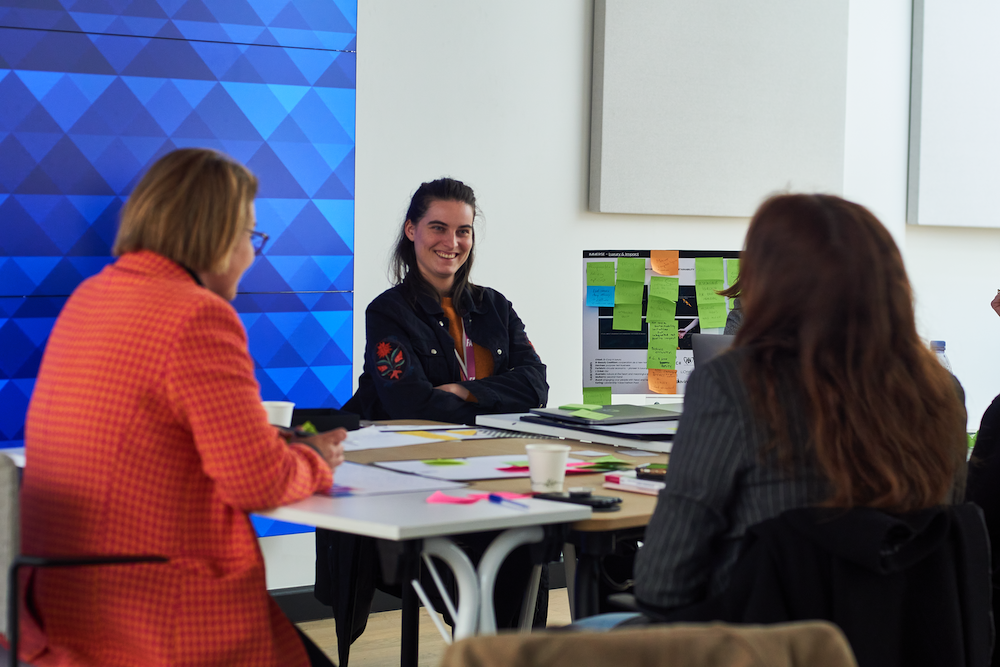
In this article, we provide a comprehensive definition of the concept of a workshop and its main characteristics, in order to better understand the value and usefulness of this working method.
Definition of a workshop
What is a workshop?
A workshop is a working meeting during which a group of people gather to discuss, exchange ideas, and work together on a specific issue.
Workshops vary in size, duration, and format, but they all aim to facilitate communication and mutual assistance among participants, while contributing to problem solving or the creation of new ideas.
As a general rule, it is better to opt for a short workshop, organized minute by minute, lasting 1 to 2 hours, rather than a long workshop lasting 3 hours without a specific agenda or a list of expected deliverables.
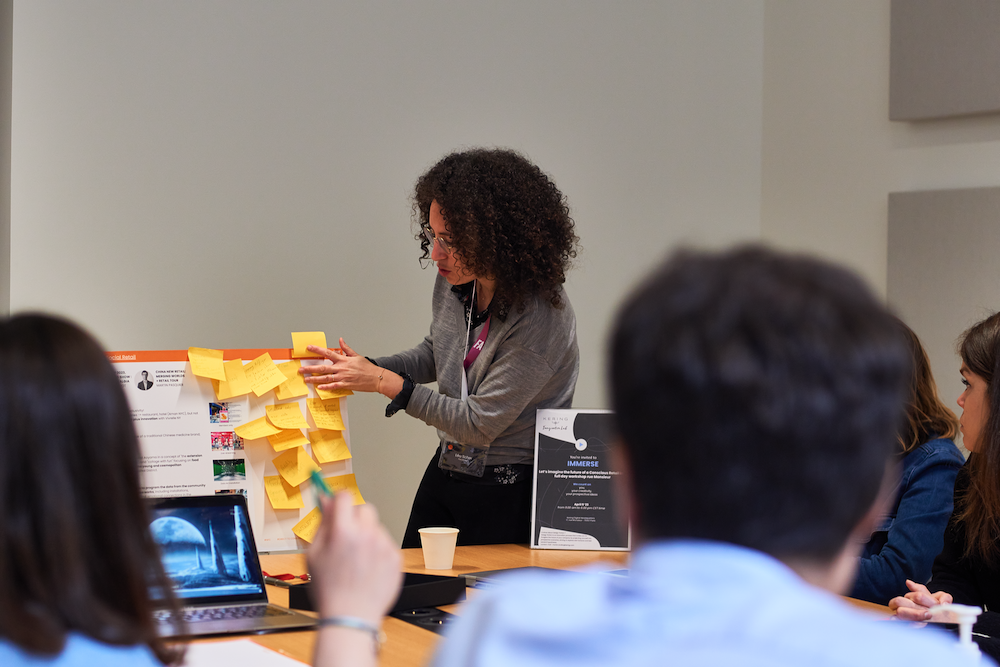
The different types of workshops
Workshops can take different forms depending on the objectives and the needs of the participants. Among the most common types of workshops are:
training workshops
training
They are designed to impart specific knowledge and skills.
brainstorming workshops
brainstorming sessions
Their goal is to generate as many ideas as possible to address a given issue.
creative workshops
creative
They aim to stimulate imagination and innovation, often through practical and fun exercises.
problem-solving workshops
problem-solving workshops
They draw on each other's skills and experience to find innovative solutions.
OBJECTIVES of a workshop
Why organize a workshop?
Organizing a workshop allows you to meet several objectives, both for the organizers and the participants.
Before organizing one, we recommend that you list the objectives you are seeking to achieve in order to build the most relevant workshop structure possible. Here are a few:

Promoting the exchange and sharing of experience
Workshops are opportunities for discussion during which all participants have an equal right to speak.
By setting aside hierarchical levels, they encourage open communication and offer the opportunity to share expertise and learn from each other through collaborative work.

Stimulating creativity and the SPIRIT OF innovation
By bringing together people with diverse backgrounds and promoting collective thinking, workshops enableinnovative solutions to emerge.
They also provide an opportunityto experiment with new ways of working and learning, particularly by encouraging collaboration and risk-taking.

ACQUIRE NEW SKILLS AND DEVELOP KNOW-HOW AND INTERPERSONAL SKILLS
Beyond sharing experiences, a workshop can also aim to develop participants' skills in a particular area.
It can draw on expert input or practical exercises to help participants acquire and apply specific knowledge, methodologies, or work tools.

Strengthen group cohesion and commitment
Workshops are a way to strengthen bonds between members of a group (team, department, company) by promoting interaction and cooperation.
They can help improve internal communication, develop a shared culture, and strengthen participants' commitment to the group's objectives.






Advantages of a workshop
When to organize a workshop?
Organizing a workshop offers several advantages for both participants and organizers.
Time savings and increased efficiency
By bringing together all the people involved in an issue in one place at the same time, a workshop saves time in finding solutions or sharing information. The discussions and idea sharing that take place during the workshop also make it easier to make decisions and make the whole process more efficient.
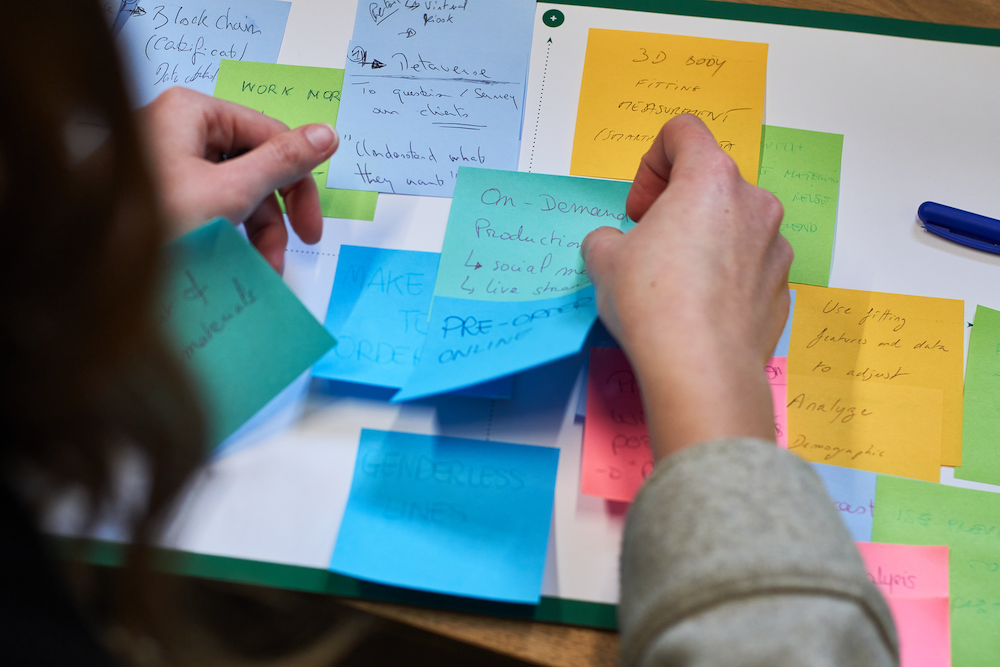
A better understanding of the issues and participants' perspectives
During a workshop, each participant has the opportunity to present their ideas, concerns, and needs. This transparency promotes mutual understanding of the issues and points of view, and allows the proposed solutions to be tailored to everyone's expectations.
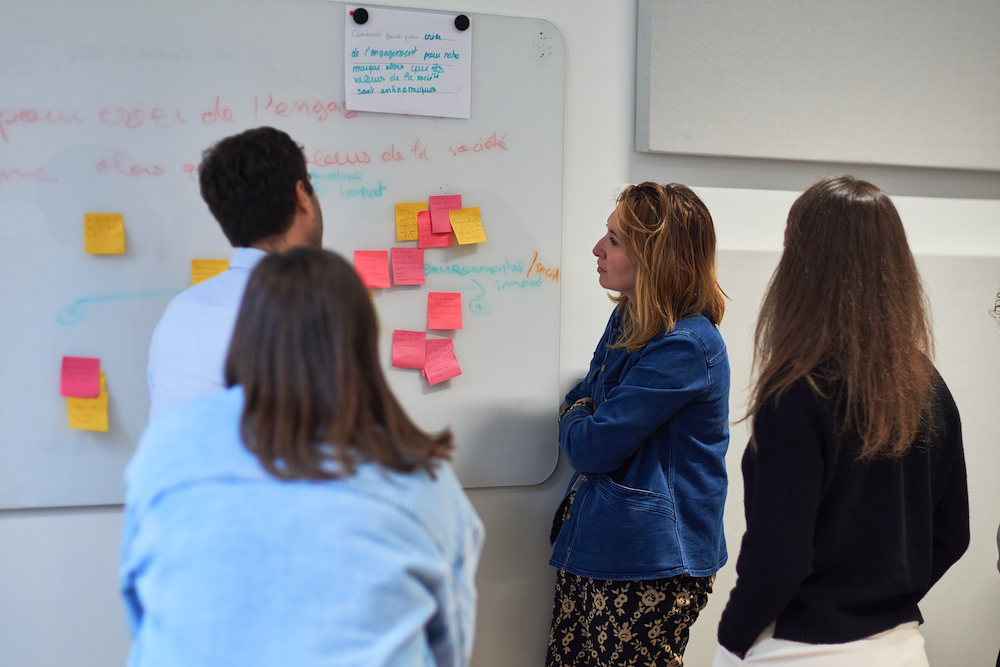
A positive collective dynamic
By providing a space for collaboration and mutual support, workshops encourage participants to form bonds and foster a positive group dynamic. This atmosphere, which promotes cooperation and sharing, also has a positive effect on participants' motivation andcommitment to their daily work.
Learning by doing
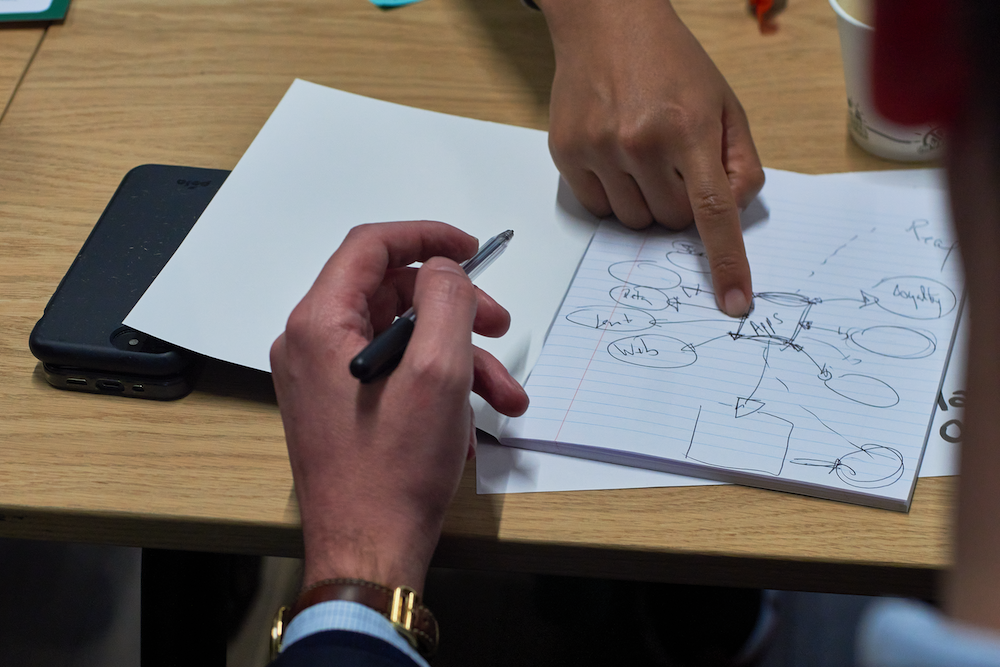
Workshops are often based on practical exercises and real or fictional scenarios that allow participants to develop their skills in a concrete and immediate way. This hands-on learning is generally more effective and motivating than more traditional theoretical training.

In conclusion, workshops are valuable tools for improving communication, sharing experiences, and solving problems within a professional group.
They offer numerous benefits for both organizers and participants, and contribute to the development of a collaborative and innovative culture.
Discover our design fiction workshops
Request a quote
Would you like to discuss your workshop project?
Would you like to learn more about our expertise and services?
Send us your brief and we will respond within 24 hours.